79 Results for "

Pinus pumila (Pall.) Regel

" in MedChemExpress (MCE) Product Catalog:
Products (79)

79 Results for "Pinus pumila (Pall.) Regel" in MCE Product Catalog:

29
29 Publications Verification
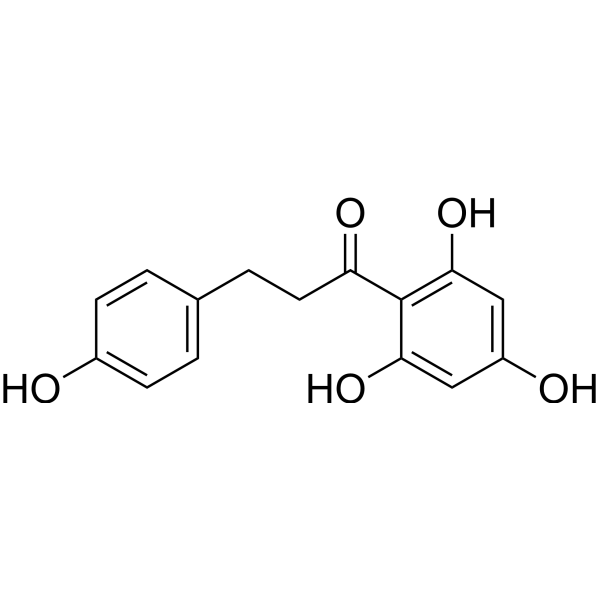
Cat. No.: HY-N0142
CAS No.: 60-82-2
Synonyms: NSC 407292; RJC 02792
Phloretin (NSC 407292; RJC 02792) is a flavonoid extracted from Malus pumila Mill.,has anti-inflammatory activities. Phloridzin is a specific,competitive and orally active inhibitor of sodium/glucose cotransporters in the intestine (SGLT1) and kidney (SGLT2). Phloretin inhibits Yeast-made GLUT1 as well as Human erythrocyte GLUT1 with IC50values of 49 μM and 61 μM,respectively .Phloretin has the potential for the treatment of rheumatoid arthritis (RA) and allergic airway inflammation .
loading...
    loading...
3
3 Cited Publications
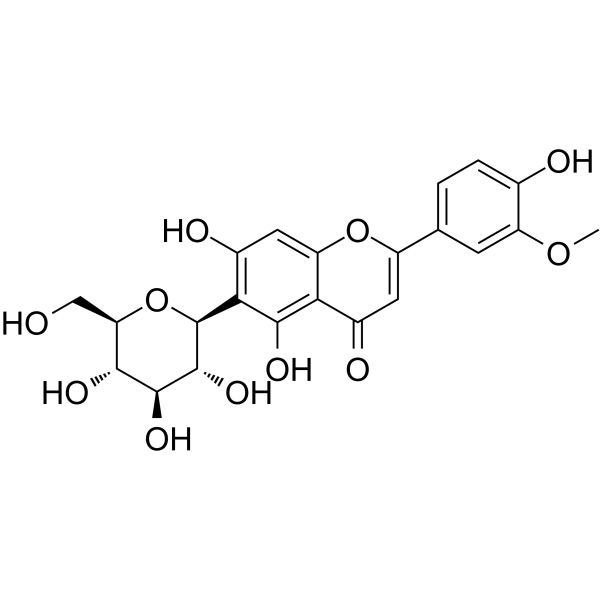
Cat. No.: HY-N5080
CAS No.: 20013-23-4
Isoscoparin is a flavonoid that could be isolated from EtOAc extract of Gentiana algida Pall. Isoscoparin possesses antioxidant activity .
loading...
    loading...
1
1 Cited Publications
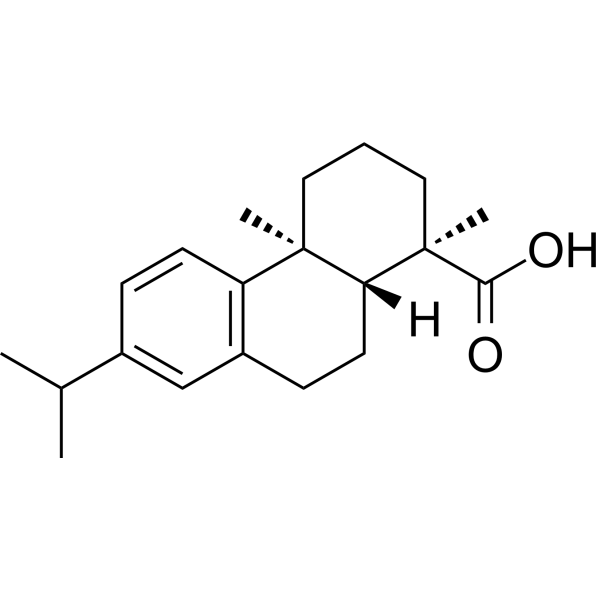
Cat. No.: HY-N6869
CAS No.: 1740-19-8
Dehydroabietic acid is a diterpene resin acid that can be isolated from Pinus and Picea. Dehydroabietic acid has anti-bacterial, anti-fungal, anti-inflammatory, and anticancer activities. Dehydroabietic acid is a dual PPAR-α/γ agonist and PPAR-γ partial agonist, which can attenuate insulin resistance (IR) and hepatic steatosis induced by HFD-consumption in mice .
loading...
    loading...
1
1 Cited Publications
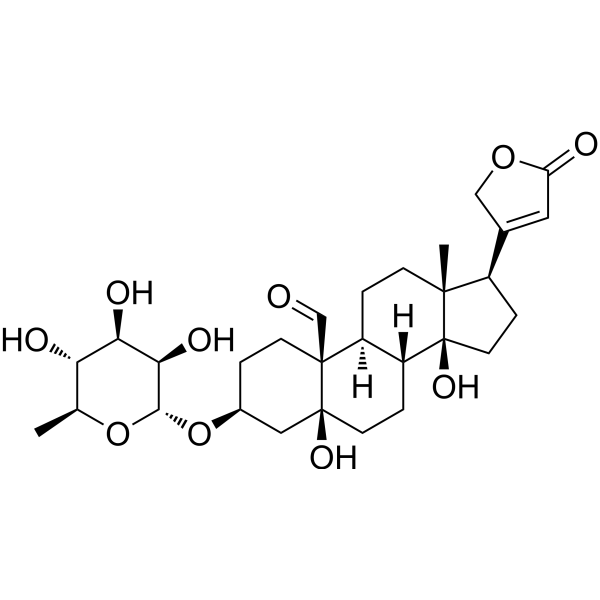
Cat. No.: HY-N2453
CAS No.: 508-75-8
Convallatoxin is a cardiac glycoside isolated from Adonis amurensis Regel et Radde. Convallatoxin ameliorates colitic inflammation via activation of PPARγ and suppression of NF-κB. Convallatoxin is a P-glycoprotein (P-gp) substrate and recognized Val982 as an important amino acid involved in its transport. Convallatoxin is an enhancer of ligand-induced MOR endocytosis with high potency and efficacy. Anti-inflammatory and anti-proliferative properties .
loading...
    loading...
1
1 Cited Publications
Cat. No.: HY-N1854
CAS No.: 52117-69-8
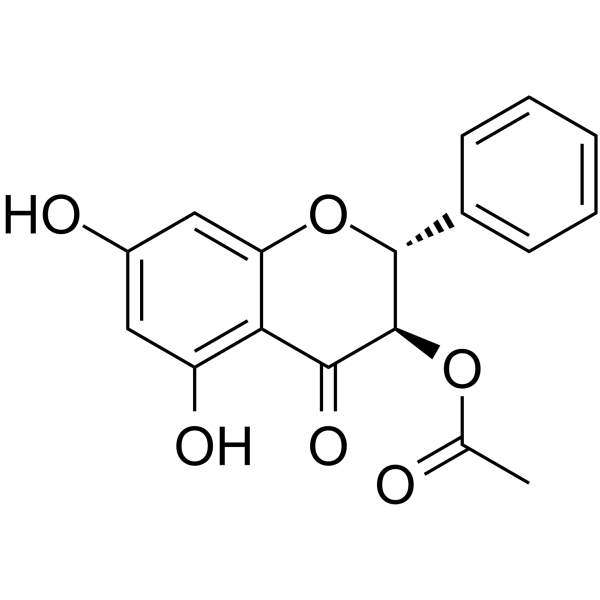
Pinobanksin 3-acetate is a flavanone and flavonoid ester with antioxidant activity. Pinobanksin 3-acetate is naturally present in Sonoran propolis, honey, medicinal plants, and forestry coproducts of Pinus caribaea. Pinobanksin 3-acetate exerts anti-colorectal cancer activity by modulating proliferation, apoptosis, cell cycle, and Wnt signaling pathways. Pinobanksin 3-acetate can be used for the research of colon cancer .
loading...
    loading...
1
1 Cited Publications
Cat. No.: HY-NP0147
Synonyms: WGA (Fluorescein)
Wheat Germ Agglutinin (WGA) Fluorescein is a classic fluorescent label that specifically binds to sugar residues such as N-acetylglucosamine, N-acetylneuraminic acid and sialic acid. Wheat Germ Agglutinin Fluorescein performs regionally differential fluorescent staining of the ocular surface epithelial glycocalyx to assess its integrity, and causes no damage to the eye at safe concentrations. Wheat Germ Agglutinin Fluorescein is also used for staining structures including red blood cells, cultured cells, bacteria and pine wood nematodes, and facilitates the isolation of wheat-associated plant-growth-promoting rhizobacterial strains. Wheat Germ Agglutinin Fluorescein can be applied to the detection of ocular glycocalyx integrity and the research of related diseases such as pine wilt disease .
loading...
    loading...
1
1 Cited Publications
Cat. No.: HY-N11911
CAS No.: 14320-81-1
Synonyms: (-)-Verazine
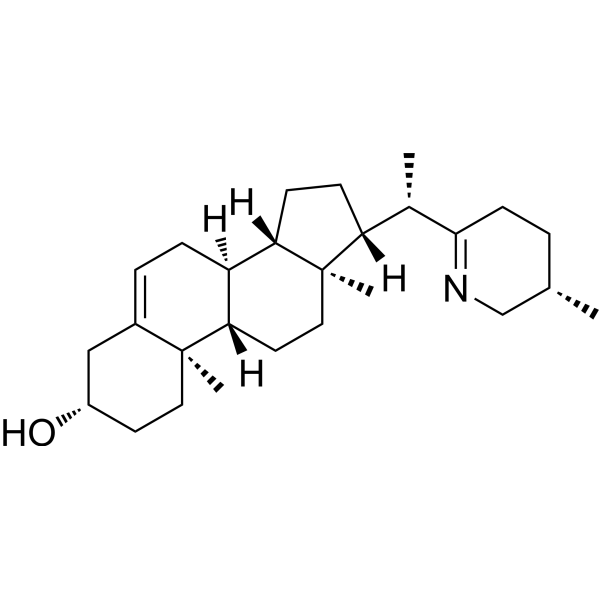
Verazine ((-)-Verazine) is an anti-Fungal Agent that can be found in the dried roots and rhizoma of Veratrum maackii Regel. Verazine causes DNA damage in the cerebellum and cerebral cortex of mice in a dose-dependent manner. Verazine can be used in the study of fungal infections and neurological diseases .
loading...
    loading...
1
1 Cited Publications
Cat. No.: HY-N3035
CAS No.: 38853-67-7
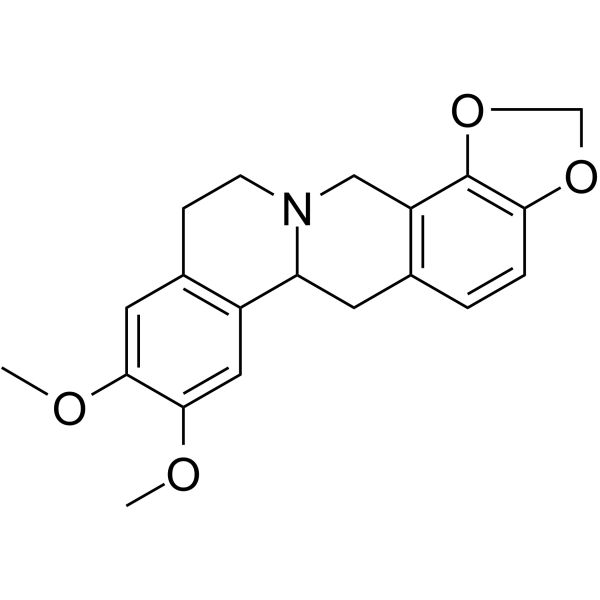
Tetrahydroepiberberine is a isoquinoline alkaloid isolated from Corydalis impatiens (Pall). Tetrahydroepiberberine has antifungal and selective inhibition against the PI-3 virus activities .
loading...
    loading...
Cat. No.: HY-N2387
CAS No.: 22139-77-1
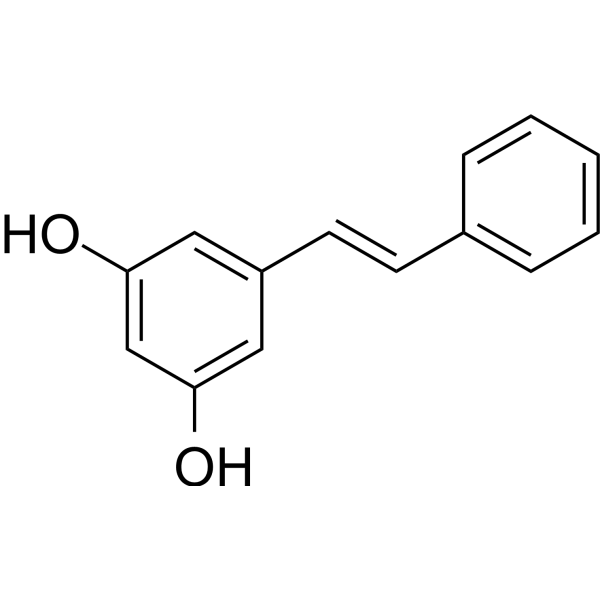
Pinosylvin is a?pre-infectious stilbenoid toxin?isolated from the heartwood of Pinus species, has anti-bacterial activities . Pinosylvin is a resveratrol analogue, can induce cell apoptosis and autophapy in leukemia cells .
loading...
    loading...
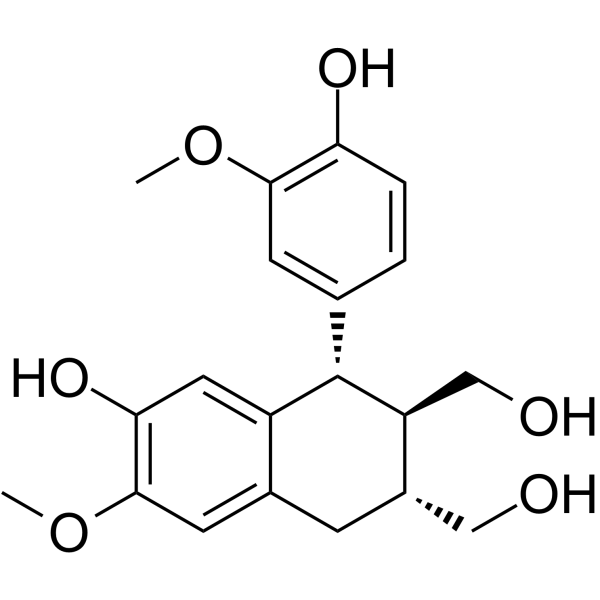
Cat. No.: HY-14579
CAS No.: 548-29-8
Purity:  97.28%
Synonyms: (+)-Cyclolariciresinol
(+)-Isolariciresinol ((+)-Cyclolariciresinol) is a lignan that can be isolated from the roots of Bursera tonkinensis Guillaum and the needles of Pinus densiflora .
loading...
    loading...
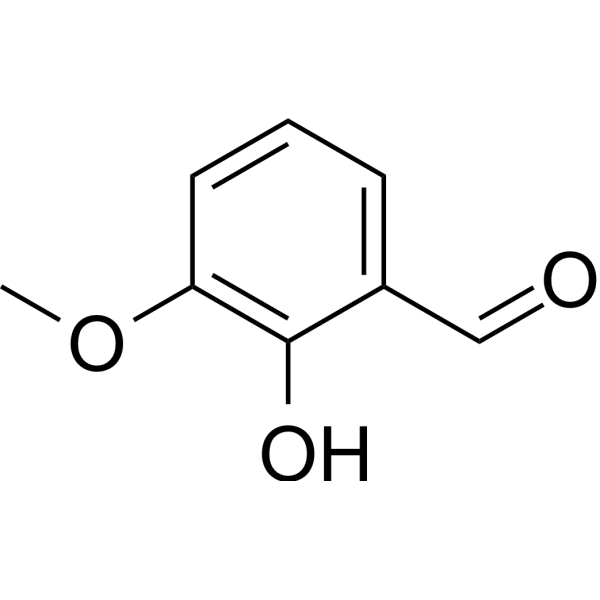
Cat. No.: HY-Y1832
CAS No.: 148-53-8
Synonyms: 3-Methoxysalicylaldehyde
Target:  

Fungal

Research Areas:  

Infection Cancer

o-Vanillin (2-Vanillin) is a nature product, could be extracted from Vanilla planifolia, Pinus koraiensis fruit. o-Vanillin is a potent antifungal agent. o-Vanillin inhibits the growth of mycelia by disrupting the integrity of cell walls and cell membranes. o-Vanillin inhibits Doxorubicin (HY-15142A)- and 4-hydroperoxycyclophosphamide-induced NF-κB activation .
loading...
    loading...
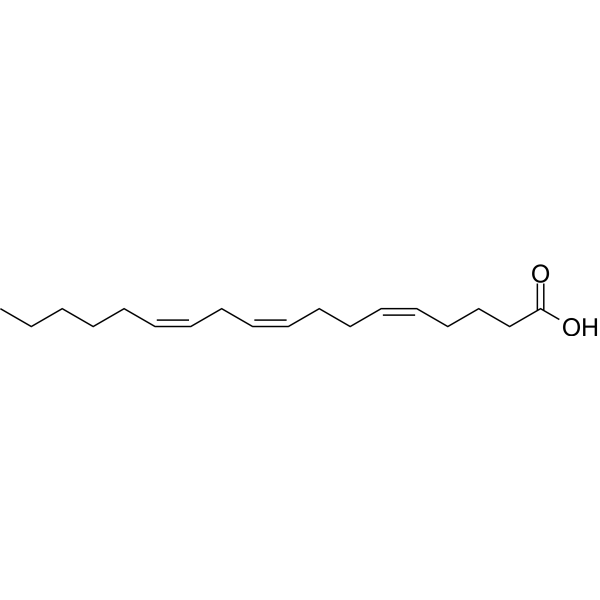
Cat. No.: HY-119546
CAS No.: 16833-54-8
Purity:  ≥98.0%
Synonyms: PNLA
Pinolenic acid (PNLA) is a polyunsaturated fatty acid that can be isolated from Pinus orientalis and Pinus pinaster seed oil. Pinolenic acid has anti-inflammatory and lipid-lowering activities .
loading...
    loading...
Cat. No.: HY-N14039
CAS No.: 90082-75-0
Pinus pinaster bark extract is extracted from the bark of pine bark with antioxidant, anti-inflammatory and neuroprotective effects. Pinus pinaster bark extract increases toll-like receptor (TLR) activity, inducing production of IL-10 .
loading...
    loading...
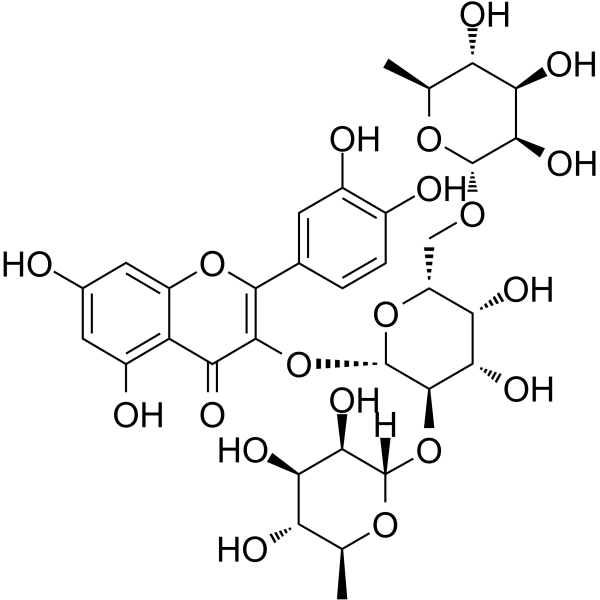
Cat. No.: HY-N5049
CAS No.: 124151-38-8
Alcesefoliside is a flavonoid isolated from Nitraria sibirica Pall, with antioxidant activity .
loading...
    loading...
Cat. No.: HY-131488
CAS No.: 23532-11-8
Purity:  99.81%
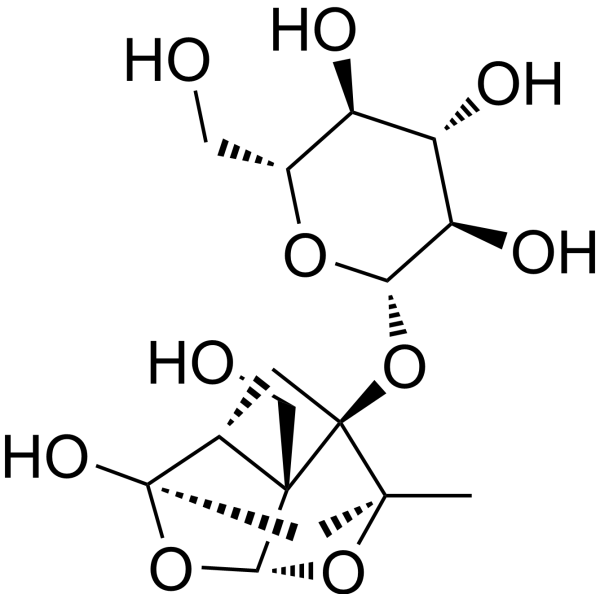
8-Debenzoylpaeoniflorin, a monoterpene glycoside, is a natural product that could be isolated from the dried root of Paeonia lactiflora Pall. 8-Debenzoylpaeoniflorin has antihyperglycemic activity .
loading...
    loading...
Cat. No.: HY-W278867
CAS No.: 21956-56-9
Synonyms: trans-Pinosylvin dimethyl ether
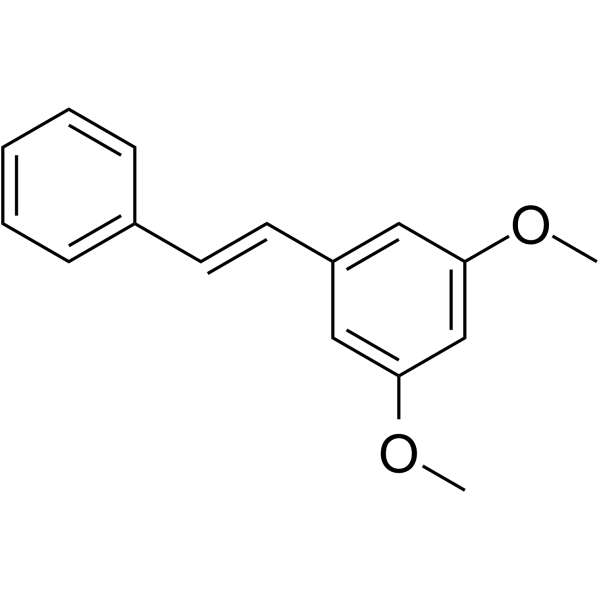
trans-3,5-Dimethoxystilbene (trans-Pinosylvin dimethyl ether) is a natural stilbenoid metabolite. trans-3,5-Dimethoxystilbene acts as an acetylcholinesterase inhibitor with a IC50 of 9 μM against Electrophorus electricus acetylcholinesterase. trans-3,5-Dimethoxystilbene binds to acetylcholinesterase and blocks acetylcholine hydrolysis, thereby increasing acetylcholine levels in the cholinergic synaptic cleft. trans-3,5-Dimethoxystilbene can be used in the research of neurodegenerative diseases such as Alzheimer's disease .
loading...
    loading...
Cat. No.: HY-133620
CAS No.: 18684-55-4
Purity:  99.67%
Target:  

Insecticide

Research Areas:  

Infection

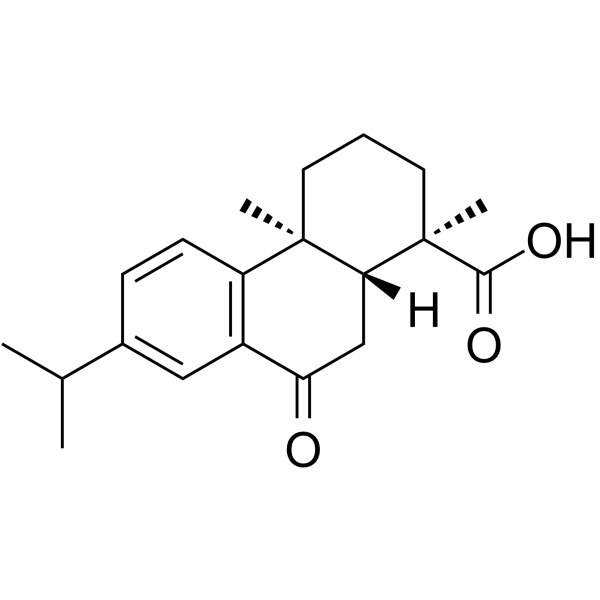
7-Oxodehydroabietic acid is a diterpene resin acid isolated from the roots of the pine Pinus densiflora. 7-Oxodehydroabietic acid play a defensive role against herbivorous insects via insect endocrine-disrupting activity .
loading...
    loading...
Cat. No.: HY-107242
CAS No.: 124961-61-1
Purity:  99.76%
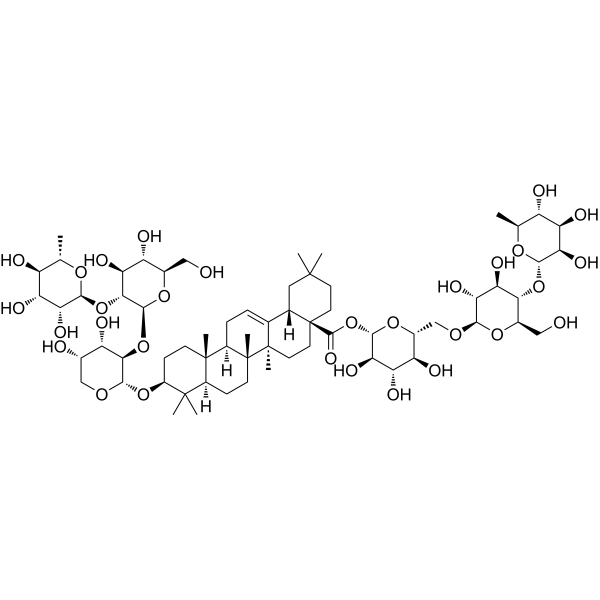
Raddeanoside R8 is a saponin that can be isolated from fresh rhizoma of Anemone raddeana Regel .
loading...
    loading...
Cat. No.: HY-133592R
CAS No.: 471-77-2
Research Areas:  

Infection

Neoabietic acid (Standard) is the analytical standard of Neoabietic acid. This product is intended for research and analytical applications. Neoabietic acid, an abietic-type acid, is a nature product that could be isolated from the oleoresin and rosin of Pinus palustris. Neoabietic acid is highly susceptible to mineral acid. Neoabietic acid has antibacterial activity .
loading...
    loading...
Cat. No.: HY-124187
CAS No.: 493015-74-0
Purity:  ≥98.0%
Synonyms: Ethyl pinolenate
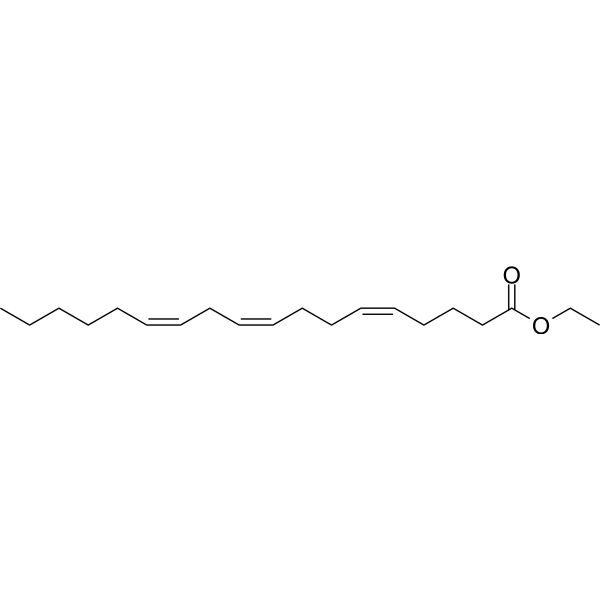
Pinolenic acid is a polyunsaturated fatty acid found in the seed oils of red pine (Pinus orientalis) and maritime pine (Pinus pinaster). Both oils were found to have lipid-lowering properties. A diet containing marine pine nut oil (MPSO) reduces HDL and ApoA1 levels in transgenic mice expressing human ApoA1. MPSO was found to reduce cholesterol efflux in vitro. Korean pine nut oil supplements may help obesity by reducing appetite. People who take this oil experience an increase in the satiety hormones CCK and GLP-1 and a decrease in appetite. The activity of the oil is attributed to pinolenic acid. Pinolenic acid is not metabolized to arachidonic acid and can reduce the level of arachidonic acid in the phosphatidylinositol fraction of HepG2 cells from 15.9% to 7.0%. Pinolenic acid ethyl ester is a neutral, more lipophilic form of the free acid.
loading...
    loading...

